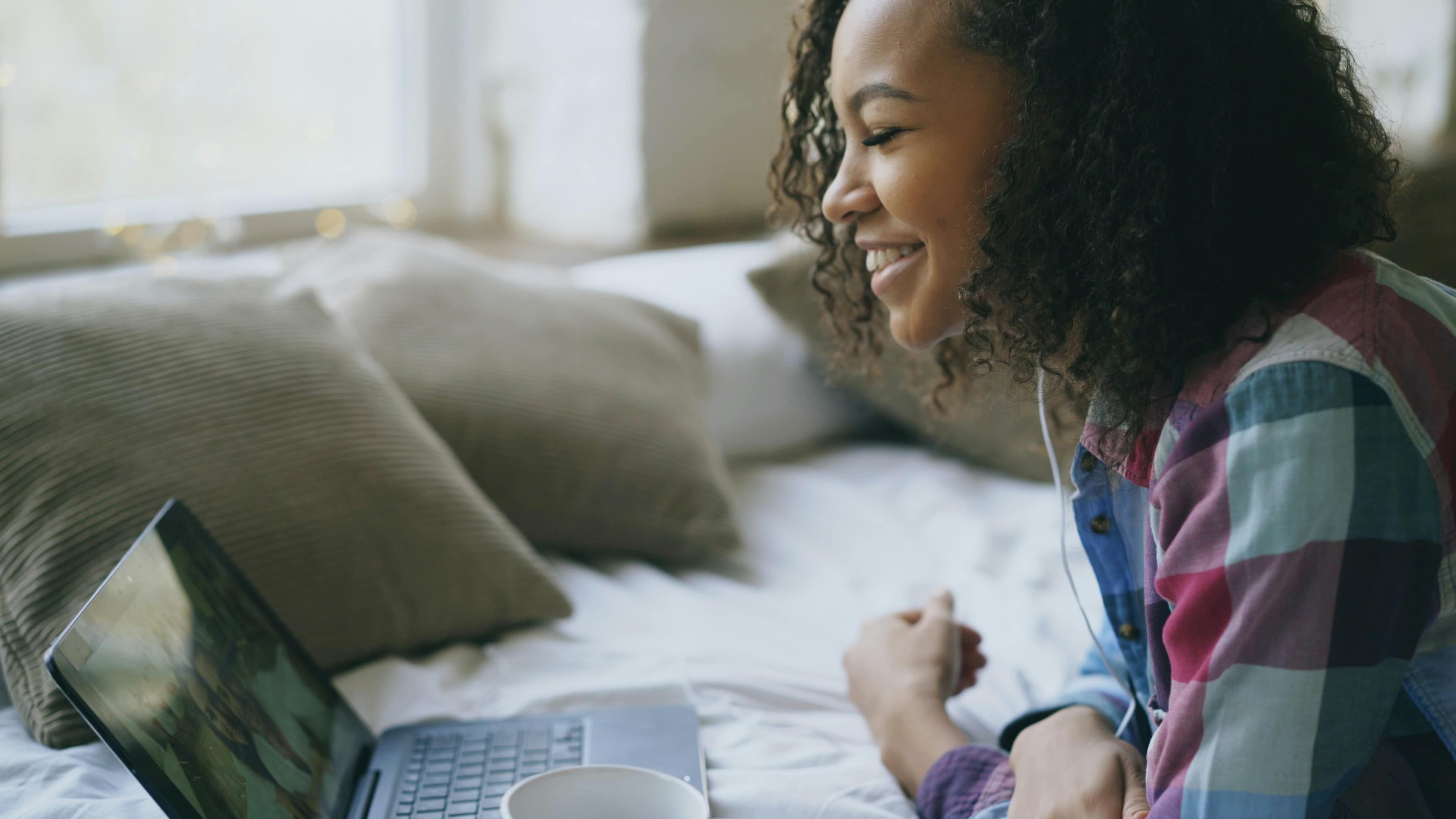
This is one of the questions I hear most often from people who are new to therapy or who have only ever done it in person. The short answer, backed by a significant amount of research, is yes. For most people and most concerns, online therapy is just as effective as in-person.
But there are some nuances worth understanding before you decide what is right for you.
What the research shows
Multiple studies have compared telehealth therapy to in-person therapy for anxiety, depression, PTSD, and other common concerns. The outcomes are consistently comparable. A 2022 review published in World Psychiatry found that video-based therapy produced similar results to in-person therapy across multiple diagnoses and treatment types, including Cognitive Behavioral Therapy.
The therapeutic relationship, which research consistently identifies as one of the strongest predictors of therapy outcome, forms just as well over video as it does in a shared room.
Have you ever tried online therapy and noticed it felt different than you expected, better or worse?
What is genuinely different
Online therapy is not identical to in-person therapy. Some things change:
- You need a private space with a reliable internet connection, that takes a little planning
- Some people find it easier to open up from home, where they already feel safe
- Others miss the ritual of going somewhere separate from their daily environment
- Body language is slightly harder to read on video, though therapists adapt quickly
- The transition out of the session is different, you close the laptop and you are immediately back in your day
None of those things make online therapy less effective. They just make it different in texture. Most people find they adapt very quickly.
Who benefits most from online therapy
Online therapy tends to work especially well for people who have busy schedules or long commutes, people with social anxiety for whom the barrier of going somewhere in person is significant, parents of young children, people who have moved and want to maintain continuity with a trusted therapist, and people who live in areas where finding a therapist who is the right fit is genuinely difficult.
In New York and New Jersey, where commuting takes real time and scheduling is complicated, a lot of clients find that online therapy is actually what makes therapy sustainable long-term.
If the commute or logistics were not a factor, would you have started therapy sooner?
When in-person might be preferable
For some people, having a physical space that is completely separate from their home and work helps create a boundary that supports the therapy process. Some types of therapy that involve more physical or somatic techniques may also be easier in person.
The honest answer is that the best therapy is the therapy you actually do consistently. For most people, that means finding a format that fits their life. If online makes it easier to show up every week, that is the better choice.